Livestock
How Much Should You Feed Layers? A Practical Guide for Kenyan Poultry Farmers
Overfeeding wastes money; underfeeding costs eggs. Here is how much layers really need, and how to tell if your flock is getting it right.
JAAG Livestock TeamAnimal nutrition & healthPublished 6 min read

Feed is the single biggest cost in egg production. Getting quantities right — by stage and by breed — is the quickest way to improve profit per tray.
Daily feed by stage
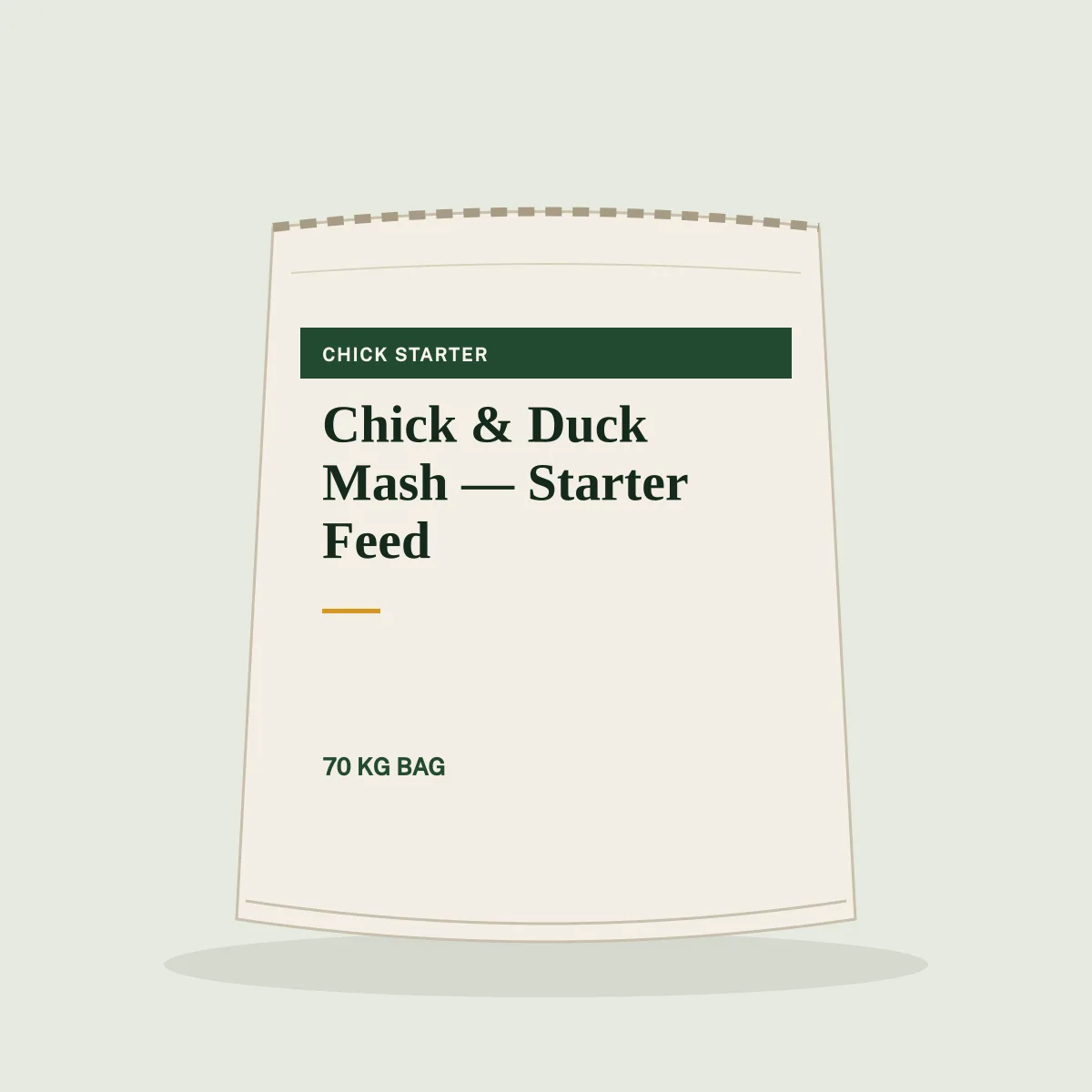
- Chicks (0–8 weeks): chick mash, free access; about 2.5–3 kg per bird in total.
- Growers (8–18 weeks): growers mash, 50–100 g per bird per day, rising with age.
- Layers (from first egg): layers mash, 110–130 g per bird per day.
- Improved kienyeji: 70–120 g per bird per day depending on how much they forage.
Signs your feeding is off
- Egg production drops without an obvious disease — check feed quality and quantity first.
- Thin or soft shells — calcium may be low, or birds may be stressed by heat.
- Birds pecking each other — can indicate protein or salt deficiency, or overcrowding.
Reduce waste
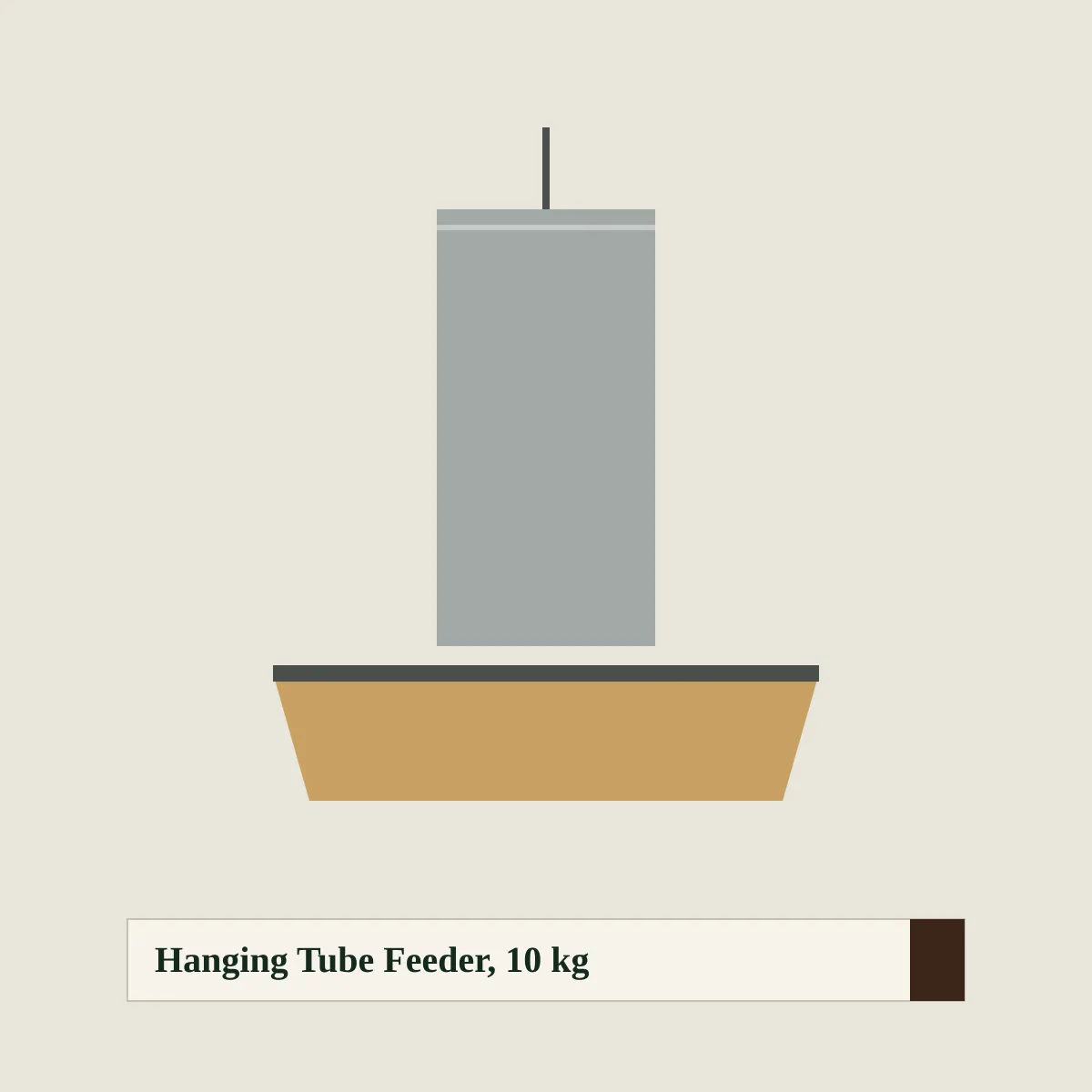
Hang feeders at back height, fill them no more than two-thirds, and store feed on pallets in a dry, rat-proof store. These small changes often save 5–10% of feed.
Frequently asked questions
How many kg of feed does a layer eat per month?
At 120 g per day, a layer eats about 3.6 kg of feed per month.